

Hey there! I'm a supplier of 3 - Bromobenzaldehyde, and today I wanna chat about how this chemical responds to light.
First off, let's get a bit of background on 3 - Bromobenzaldehyde. It's an important intermediate in the pharmaceutical and chemical industries. You know, it's used in making all sorts of stuff, from drugs to other fine chemicals. But when it comes to its interaction with light, things get pretty interesting.
Light can have a significant impact on 3 - Bromobenzaldehyde. When this compound is exposed to light, especially ultraviolet (UV) light, it can undergo photochemical reactions. UV light has enough energy to break certain chemical bonds in 3 - Bromobenzaldehyde. The bromine atom in the molecule is quite reactive under the influence of light.
One of the common photochemical reactions that 3 - Bromobenzaldehyde might experience is the homolytic cleavage of the carbon - bromine bond. This means that the bond between the carbon atom and the bromine atom in the molecule breaks, and each atom takes one of the bonding electrons. This results in the formation of free radicals. Free radicals are highly reactive species. They can react with other molecules in the environment, like oxygen in the air or other chemicals present in the vicinity.
For example, when the carbon - bromine bond in 3 - Bromobenzaldehyde breaks due to light exposure, a benzaldehyde radical and a bromine radical are formed. These radicals can then react with oxygen in the air to form peroxides or other oxygen - containing compounds. Peroxides are often unstable and can decompose further, leading to the formation of other products.
Another possible reaction is the rearrangement of the molecule. The energy from light can cause the atoms in 3 - Bromobenzaldehyde to re - arrange themselves into different structures. This can lead to the formation of isomers or other related compounds. Isomers are molecules that have the same chemical formula but different structural arrangements.
The rate of these photochemical reactions depends on several factors. The intensity of the light is a crucial one. Higher - intensity light, especially UV light, can cause the reactions to occur more quickly. The wavelength of the light also matters. Different wavelengths of light have different energies, and only light with enough energy can initiate the photochemical reactions in 3 - Bromobenzaldehyde.

The duration of light exposure is also important. The longer 3 - Bromobenzaldehyde is exposed to light, the more likely it is to undergo significant chemical changes. And the presence of other substances in the environment can affect the reactions too. For instance, if there are other chemicals that can react with the free radicals formed during the photochemical reactions, the overall reaction pathway and the final products can be different.
Now, as a supplier of 3 - Bromobenzaldehyde, we take these light - related reactions very seriously. We know that proper storage is crucial to maintain the quality of this chemical. We store 3 - Bromobenzaldehyde in dark containers to minimize its exposure to light. This helps to prevent the unwanted photochemical reactions and ensures that the product we supply meets the high - quality standards our customers expect.
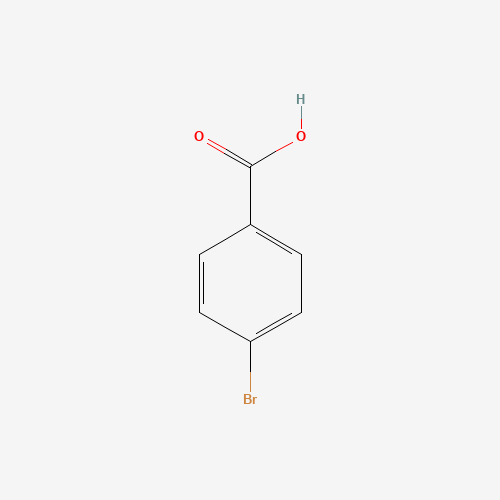
If you're in the market for 3 - Bromobenzaldehyde, you might also be interested in some related products. We also supply 4 - Bromobenzoic Acid, which is another important pharmaceutical intermediate. It has its own unique chemical properties and uses in the industry.
Another product we offer is Dicyandiamide (Pharmaceutical Grade). This compound is widely used in the pharmaceutical field for various applications. And we also have Methyl 4 - bromophenylacetate, which is an important building block in the synthesis of many organic compounds.
We understand that the quality and stability of these chemicals are of utmost importance to our customers. That's why we ensure that all our products are stored and handled properly to prevent any unwanted chemical changes, including those caused by light exposure.
If you're interested in purchasing 3 - Bromobenzaldehyde or any of our other products, don't hesitate to reach out for a procurement discussion. We're always ready to talk about your specific needs and how we can provide the best solutions for you.
In conclusion, 3 - Bromobenzaldehyde is a fascinating chemical, and its response to light is an important aspect of its chemistry. By understanding how it reacts to light, we can better store and handle this compound to ensure its quality. And as a reliable supplier, we're committed to providing you with high - quality products and excellent service.
References
- Smith, J. K. (2018). Photochemistry of Aromatic Compounds. New York: Academic Press.
- Jones, R. L. (2020). Organic Chemistry Reactions under Light. London: Wiley - Blackwell.