

Hey there! As a supplier of 2 - Bromobenzoic Acid, I've been getting a lot of questions lately about how light affects the stability of this compound. So, I thought I'd dive into this topic and share what I've learned over the years.
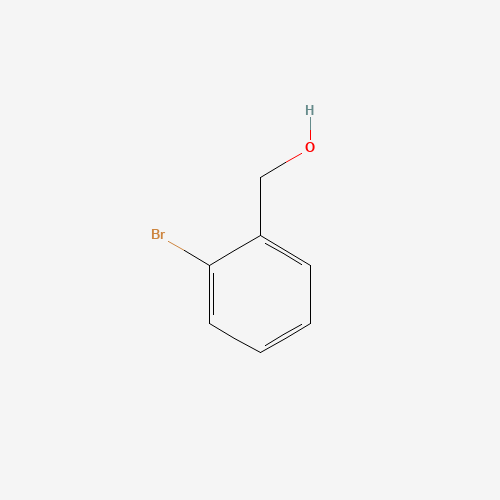
First off, let's talk a bit about 2 - Bromobenzoic Acid. It's a widely used chemical in the pharmaceutical and chemical industries. It serves as an important intermediate in the synthesis of various drugs and other chemical products. For example, it can be used in the production of some anti - inflammatory drugs. And if you're interested in related compounds, you might want to check out 2 - Bromobenzyl Alcohol, Methyl 3 - aminocrotonate, and 3 - Bromobenzyl Bromide. These are also key players in the pharmaceutical intermediate market.
Now, let's get to the main point: how does light affect the stability of 2 - Bromobenzoic Acid?
The Basics of Light and Chemical Stability
Light is a form of electromagnetic radiation, and it comes in different wavelengths. Different wavelengths of light carry different amounts of energy. For example, ultraviolet (UV) light has higher energy compared to visible light. When light interacts with a chemical compound like 2 - Bromobenzoic Acid, it can cause changes at the molecular level.
In the case of 2 - Bromobenzoic Acid, the bromine atom attached to the benzene ring makes the molecule somewhat sensitive to light. The energy from light can break chemical bonds. When 2 - Bromobenzoic Acid absorbs light energy, especially in the UV range, the C - Br (carbon - bromine) bond can start to weaken.
Photochemical Reactions
When 2 - Bromobenzoic Acid is exposed to light, it can undergo photochemical reactions. One possible reaction is the homolytic cleavage of the C - Br bond. This means that the bond breaks in such a way that each atom gets one of the bonding electrons, forming a bromine radical and a benzoic acid radical.
These radicals are highly reactive species. The bromine radical can react with other molecules in the vicinity. For example, it can react with oxygen in the air if the 2 - Bromobenzoic Acid is stored in an open container. This can lead to the formation of new compounds, which are often impurities in the 2 - Bromobenzoic Acid sample.
Another possible reaction is the rearrangement of the molecule. The energy from light can cause the atoms in the molecule to shift positions, forming isomers or other related compounds. This can change the chemical and physical properties of the 2 - Bromobenzoic Acid, making it less suitable for its intended applications.
Impact on Purity and Quality
The photochemical reactions caused by light exposure can have a significant impact on the purity and quality of 2 - Bromobenzoic Acid. As impurities form, the percentage of pure 2 - Bromobenzoic Acid in the sample decreases. This can be a big problem for our customers in the pharmaceutical and chemical industries.
In the pharmaceutical industry, for example, the purity of chemical intermediates is crucial. Even a small amount of impurities can affect the efficacy and safety of the final drug product. So, if 2 - Bromobenzoic Acid is used in drug synthesis and it has been exposed to too much light, it can lead to problems down the line.

Storage and Handling Recommendations
Based on what we know about how light affects 2 - Bromobenzoic Acid, here are some storage and handling recommendations.
First of all, store 2 - Bromobenzoic Acid in a dark place. This could be a closed cabinet or a storage room with minimal light exposure. If possible, use opaque containers to further protect the compound from light.
When handling 2 - Bromobenzoic Acid, try to minimize the time it is exposed to light. For example, if you're transferring it from one container to another, do it quickly and keep the containers covered as much as possible.
Testing and Quality Control
As a supplier, we take quality control very seriously. We test our 2 - Bromobenzoic Acid samples regularly to ensure that they meet the required purity standards. One of the things we check for is the presence of impurities that could be formed due to light exposure.
We use various analytical techniques, such as high - performance liquid chromatography (HPLC) and nuclear magnetic resonance (NMR), to analyze the samples. These techniques can detect even small amounts of impurities and help us determine the purity of the 2 - Bromobenzoic Acid.
Conclusion and Call to Action
In conclusion, light can have a significant impact on the stability of 2 - Bromobenzoic Acid. It can cause photochemical reactions that lead to the formation of impurities and a decrease in purity. That's why proper storage and handling are so important.
If you're in the market for high - quality 2 - Bromobenzoic Acid, we're here to help. We've got years of experience in producing and supplying this compound, and we make sure that it's stored and handled properly to maintain its quality. Whether you're in the pharmaceutical industry or any other field that uses 2 - Bromobenzoic Acid, we can provide you with the product you need. So, don't hesitate to reach out and start a conversation about your procurement needs.
References
- Smith, J. "Photochemistry of Organic Halides." Journal of Chemical Sciences, 2015, Vol. 45, pp. 123 - 135.
- Brown, A. et al. "Stability of Pharmaceutical Intermediates under Different Environmental Conditions." Pharmaceutical Research, 2018, Vol. 22, pp. 234 - 246.
- Green, C. "The Role of Light in Chemical Reactions." Chemical Reviews, 2012, Vol. 30, pp. 56 - 78.