

Hey there! As a supplier of 2 - Bromobenzoic Acid, I've got a ton of insights to share about how this nifty chemical participates in substitution reactions. So, let's dive right in!
First off, what's 2 - Bromobenzoic Acid? It's a white to off - white crystalline powder with a chemical formula of C₇H₅BrO₂. It's an important intermediate in organic synthesis, and its ability to undergo substitution reactions makes it super valuable in various industries, especially pharmaceuticals and agrochemicals.
Nucleophilic Substitution Reactions
One of the most common types of substitution reactions that 2 - Bromobenzoic Acid can take part in is nucleophilic substitution. In these reactions, a nucleophile, which is basically a species that loves to donate a pair of electrons, swoops in and replaces the bromine atom on the benzene ring.
The reaction usually starts with the nucleophile approaching the carbon atom attached to the bromine. The bromine atom has a partial positive charge on the carbon it's attached to because bromine is more electronegative than carbon. This makes the carbon atom a bit of a target for nucleophiles.
Let's say we have a simple nucleophile like an alkoxide ion (RO⁻). When it reacts with 2 - Bromobenzoic Acid, it attacks the carbon - bromine bond. The electrons in the carbon - bromine bond are then pushed onto the bromine atom, causing it to leave as a bromide ion (Br⁻). The end result is a new compound where the alkoxide group has replaced the bromine.
This kind of reaction is really useful in the synthesis of esters. For example, if we use an alkoxide derived from an alcohol, we can form an ester of benzoic acid. Esters are widely used in the fragrance and flavor industries, as well as in the production of plastics and solvents.
Electrophilic Substitution Reactions
2 - Bromobenzoic Acid can also participate in electrophilic substitution reactions. In these reactions, an electrophile, which is a species that loves to accept a pair of electrons, attacks the benzene ring.
The presence of the bromine atom and the carboxylic acid group on the benzene ring affects the reactivity and the position of substitution. The carboxylic acid group (-COOH) is a deactivating group, which means it makes the benzene ring less reactive towards electrophiles compared to benzene itself. The bromine atom, on the other hand, is a weakly deactivating but ortho - para directing group.
When an electrophile attacks, it is more likely to substitute at the ortho or para positions relative to the bromine atom. For instance, if we react 2 - Bromobenzoic Acid with a nitrating mixture (a combination of concentrated nitric acid and sulfuric acid), the nitro group (-NO₂) will be introduced at the ortho or para positions to the bromine atom.

The reaction mechanism involves the formation of an intermediate called a sigma complex. The electrophile first forms a bond with one of the carbon atoms in the benzene ring, disrupting the aromaticity of the ring. Then, a proton is removed from the sigma complex, restoring the aromaticity and giving the final substituted product.
Applications in the Pharmaceutical Industry
The substitution reactions of 2 - Bromobenzoic Acid are crucial in the pharmaceutical industry. Many drugs are synthesized using this compound as a starting material. For example, by performing a series of substitution reactions, we can modify the structure of 2 - Bromobenzoic Acid to create new molecules with specific biological activities.
Some derivatives of 2 - Bromobenzoic Acid have shown antibacterial, antifungal, and anti - inflammatory properties. By carefully controlling the substitution reactions, chemists can fine - tune the structure of the molecule to optimize its activity and reduce any potential side effects.
Related Compounds and Their Links
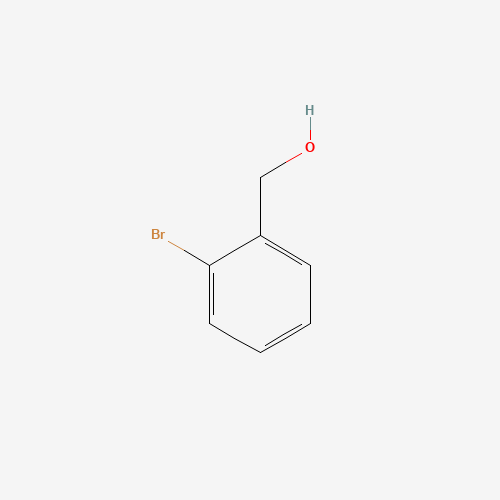
If you're interested in other related compounds, we also have information about 2 - Bromobenzyl Alcohol, 4 - Bromobenzonitrile, and 4 - Bromophenylacetonitrile. These compounds are also important intermediates in organic synthesis and can be used in a variety of applications.
Factors Affecting Substitution Reactions
There are several factors that can affect how 2 - Bromobenzoic Acid participates in substitution reactions. Temperature is one of the most important factors. Generally, increasing the temperature speeds up the reaction rate because it provides more energy for the reactant molecules to overcome the activation energy barrier.
The solvent also plays a crucial role. Polar solvents can stabilize the charged intermediates formed during the reaction, which can either increase or decrease the reaction rate depending on the type of reaction. For example, in nucleophilic substitution reactions, polar aprotic solvents like dimethyl sulfoxide (DMSO) or acetonitrile are often used because they can solvate the nucleophile effectively without interfering with the reaction.
The concentration of the reactants is another factor. According to the law of mass action, increasing the concentration of the nucleophile or the electrophile will increase the frequency of collisions between the reactant molecules, leading to a higher reaction rate.
Conclusion
In conclusion, 2 - Bromobenzoic Acid is a versatile compound that can participate in both nucleophilic and electrophilic substitution reactions. Its ability to undergo these reactions makes it a valuable intermediate in various industries, especially pharmaceuticals and agrochemicals.
If you're in the market for high - quality 2 - Bromobenzoic Acid or have any questions about its substitution reactions and applications, don't hesitate to reach out. We're here to help you with all your chemical needs and can provide you with the best products and advice.
References
- March, J. (1992). Advanced Organic Chemistry: Reactions, Mechanisms, and Structure. Wiley.
- Carey, F. A., & Sundberg, R. J. (2007). Advanced Organic Chemistry Part A: Structure and Mechanisms. Springer.